
Find Your Way Back: Why I Abandoned Fashion Journalism
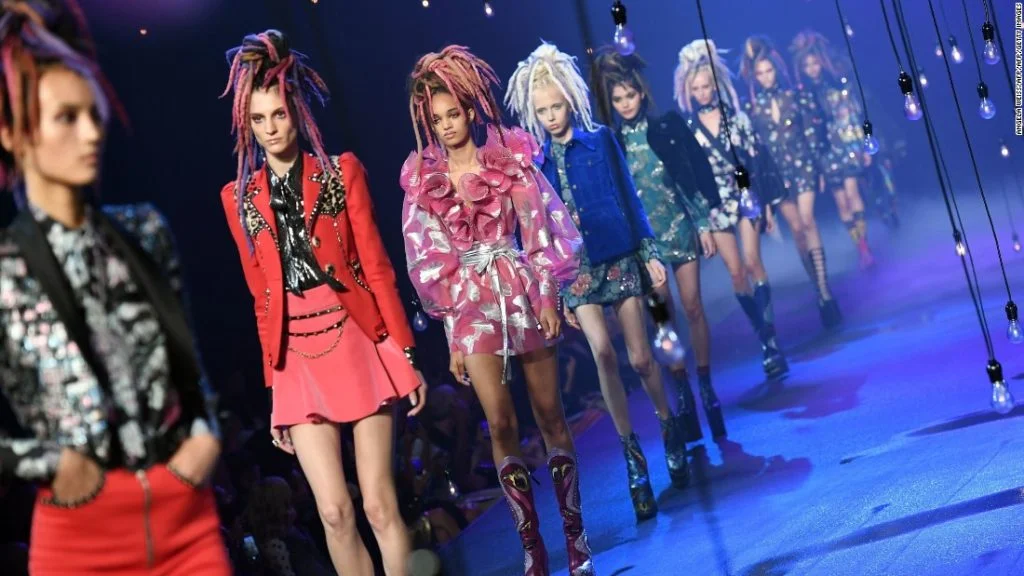
Marc Jacobs Spring Summer ‘17 Runway show, Luxy Haus Magazine archive
When I Get Home, I seize the opportunity to go through a full nervous system reset. This past Mother’s Day, my mother and I went to see The Devil Wears Prada II with one of my godmothers. Seeing the sequel of one of my favorite movies from my childhood was not only a remnant of my adolescence but also a remembrance of a life I once chased. Witnessing the plot of the sequel unfold: company merges, media buyouts, and what that meant for the integrity and authenticity of journalism left me a bit vulnerable, which led to spending the remainder of that day grieving. As I went into hermit mode and developed a level of introspection, I realized the grief stemmed from my estrangement from fashion journalism and my love for media content: developing fashion editorials, conducting interviews with my peers, and writing fashion content that made a difference. From fashion blogging during my collegiate years to freelance writing with Fashionista to launching Luxy Haus Magazine, addressing sociopolitical issues in fashion journalism was supposed to be a purposeful and revolutionary art form, a unique expression of advocacy work for the marginalized. Then, fashion companies and media outlets began to exploit ethnic cultural influence and the true importance of representation, which rendered desensitization. Socially responsible writing in fashion soon became an additional genre intended to generate high metrics in marketing analytics and heighten visibility in the SEO engine. So, I got bored with the performance and abandoned it.

Louis Vuitton Spring Summer 2019 Men’s show, Creative Director: Virgil Abloh via Luxy Haus Magazine archive
Eleven years ago marked the beginning of an explorative era in the fashion industry. amandaluxe was my college fashion blog and the primary outlet for personal insights and reflections on the state of fashion and beauty from a sociopolitical lens. There were no fashion features, no outfits of the day, but deep-dive, comprehensive reactive jargon; shining light on fashion marketing tone-deafness, cultural appropriation and exploitation, and the intersectionalities of technology and online retailing. With degree concentrations in Accounting and Fashion Buying, journalism was a field I declared myself a student in, something I was just simply passionate about. Circa January 2016, I came across a Fashionista article by an admirable author where she deep-dived into highlighting multiple brands appropriating indigenous cultures throughout the year of 2015. My eyes would beam while reading in astonishment, for I never imagined a platform such as Fashionista posting socially responsible content such as this. I decided to find the author’s direct address, emailing her praise and appreciation for her article and how refreshing it was to see content I’ve been dying to read, content that meant something other than what a reality TV star wore leaving a venue with a secret lover. This engagement was the start of my freelance writing career with Fashionista.
My time at Fashionista was short-lived, but it was incredibly influential to my growth as a journalist. Working full-time in International Wholesale for kids’ toys, I treated working with Fashionista as an additional full-time job. The research, the edits, the deadlines– fashion journalism was a breath of fresh air for me creatively and a major contributor to how I viewed the industry. The type of content I wrote was progressive, socially responsible, culturally aware, and it filled a void as I navigated corporate politics on a daily basis at my desk job. There was one particular post that shifted my perspective on journalism, and it was my inclusive brand article, which, at the time, received the highest engagement rate on the platform. I remember the emphasis on how well it was performing from the team and receiving multiple cold emails from public relations representatives with the pitch “our brand(s) are inclusive, too.” At that moment, I wondered if the work I was writing was genuinely influential or if I was just simply participating in the imperialism of capitalism. As I grew more into my purpose, my interests began to shift, and I redirected my focus to pitching fashion editorials to Black-owned media sites instead.
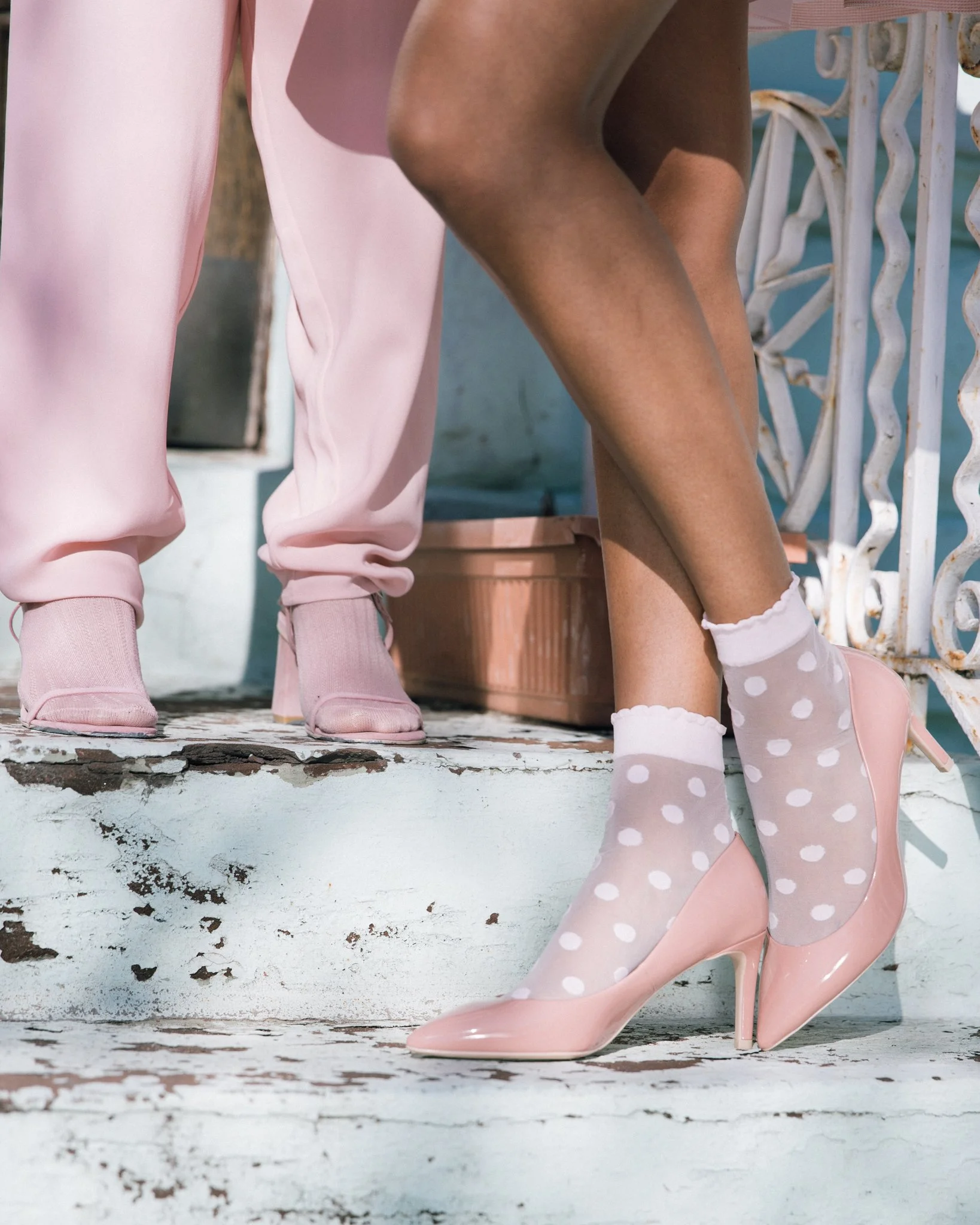
BK Chromatic for Essence.com, photo by Mark Clennon
For the upcoming year (mid 2016 - mid 2017), I was producing and overseeing the visual direction for personal fashion editorials addressing sociopolitical issues within Western society, specifically in relation to the lives of Black-descended people. These editorials were submitted to platforms such as Afropunk, Blavity, and Essence.com. By the end of the first half of that year, I started styling my own editorials and developing my portfolio as a wardrobe stylist, working on a plethora of test shoots with amazing peers in my community. While I was, in fact, enjoying this new form of storytelling, I still longed for my love for fashion journalism. I attempted reconciliation with Fashionista with another contact since my initial contact had moved on to another media platform. I had sent about three different pitches that were turned down, with one of the reasons being, “we’d like to keep this story ‘in-house.’” Soon, I discovered the work I was writing was now an additional column on predominantly White media sites and was no longer seen as revolutionary or socially influential. So, I created my own table and launched Luxy Haus Magazine.
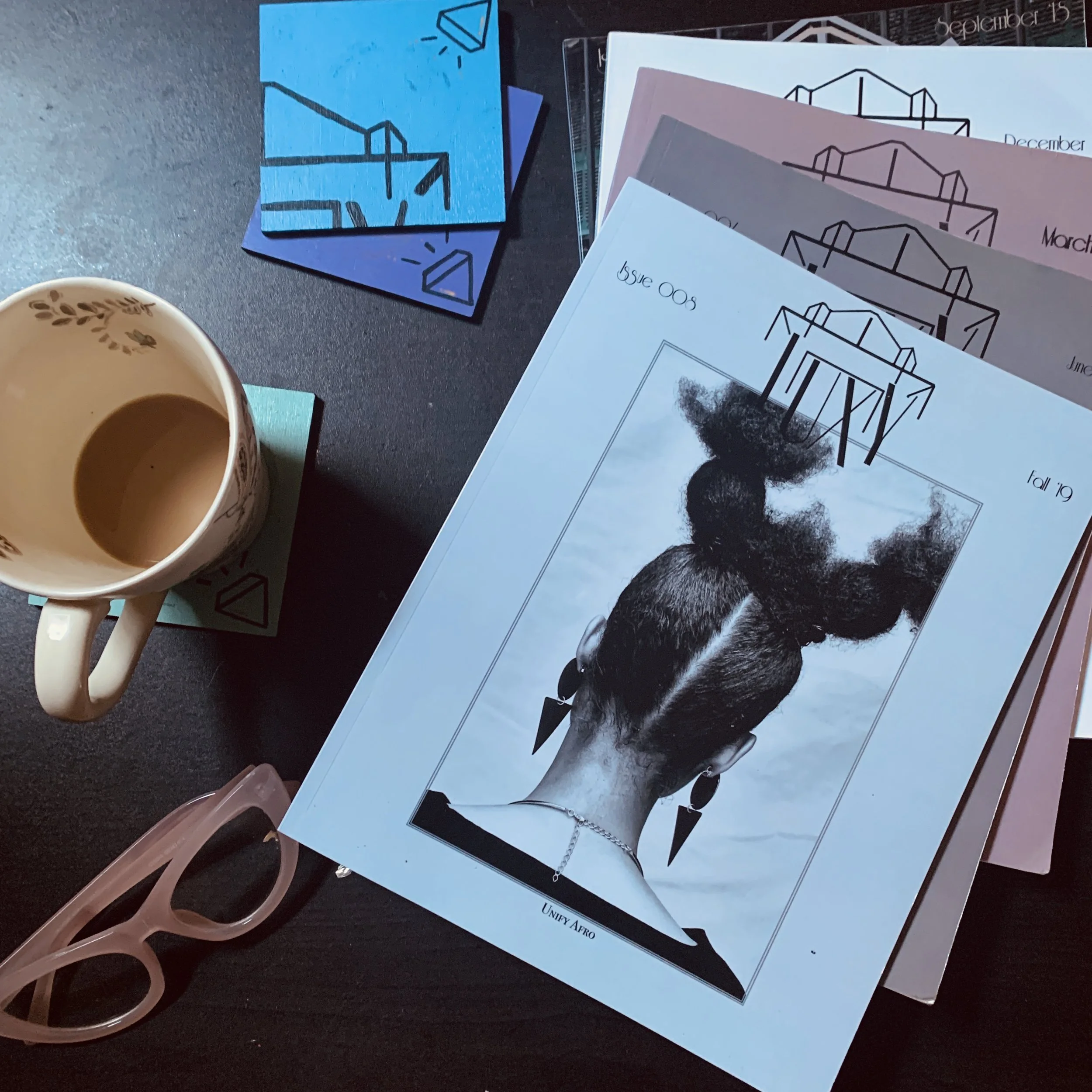
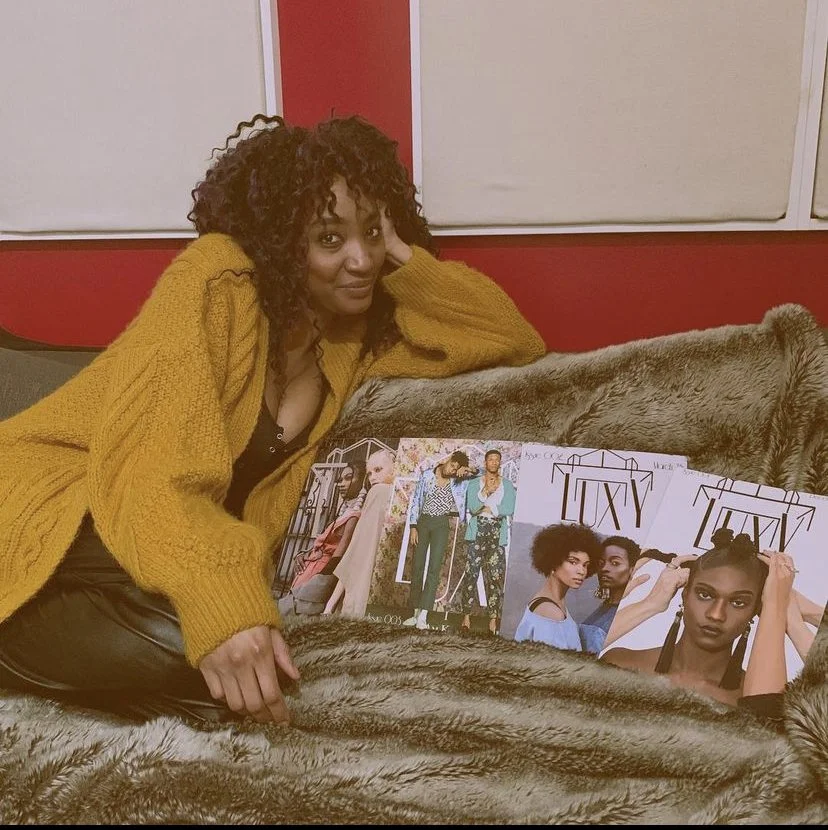
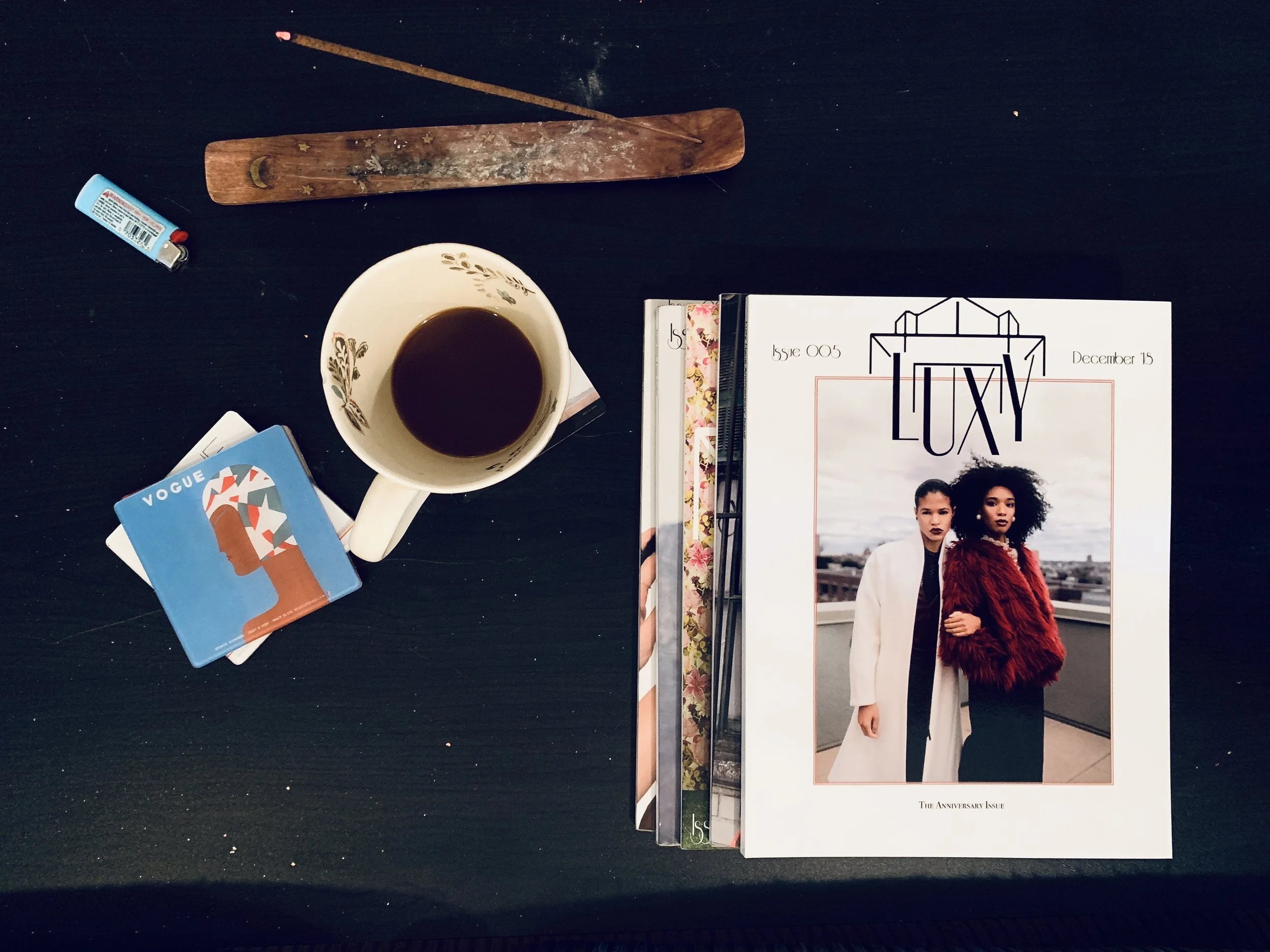
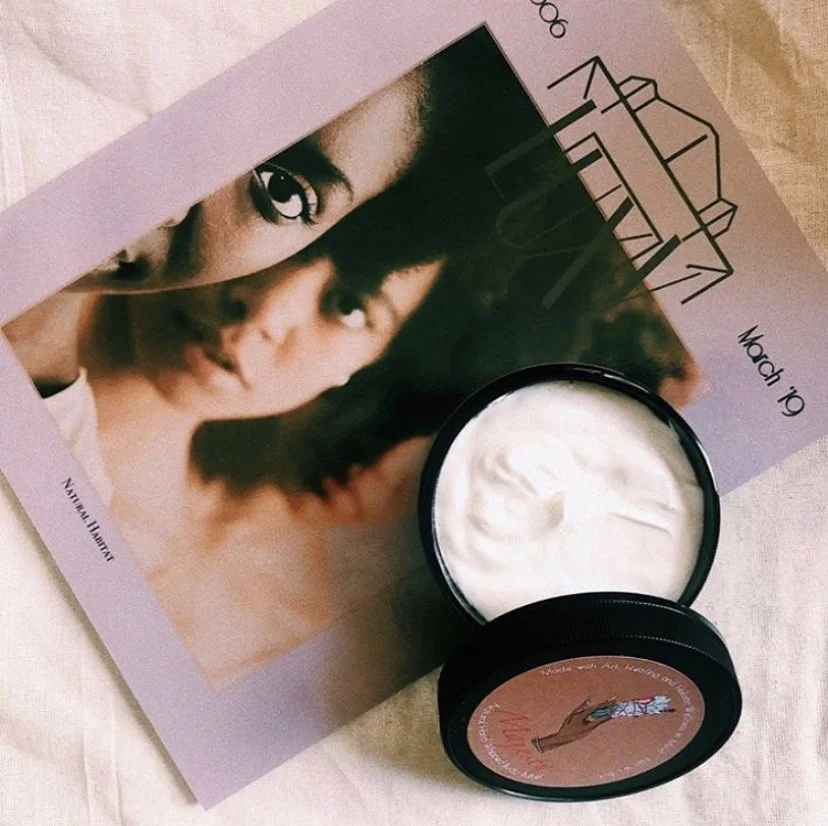
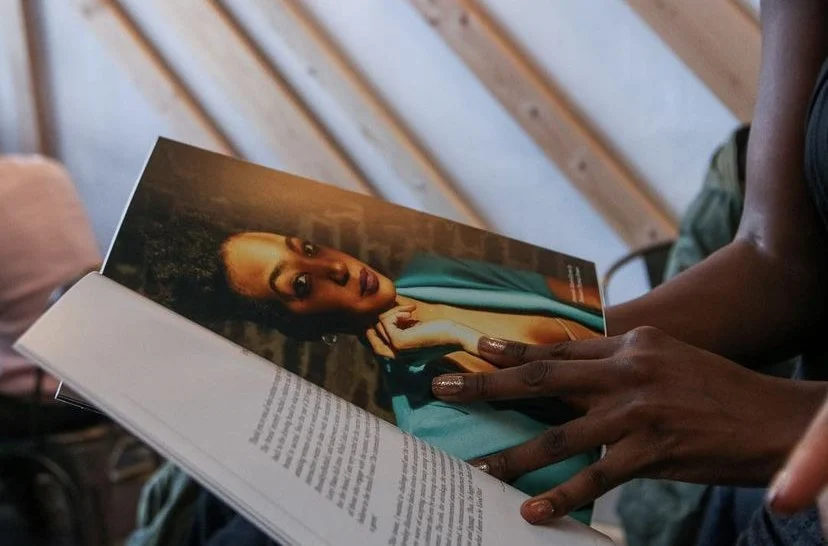
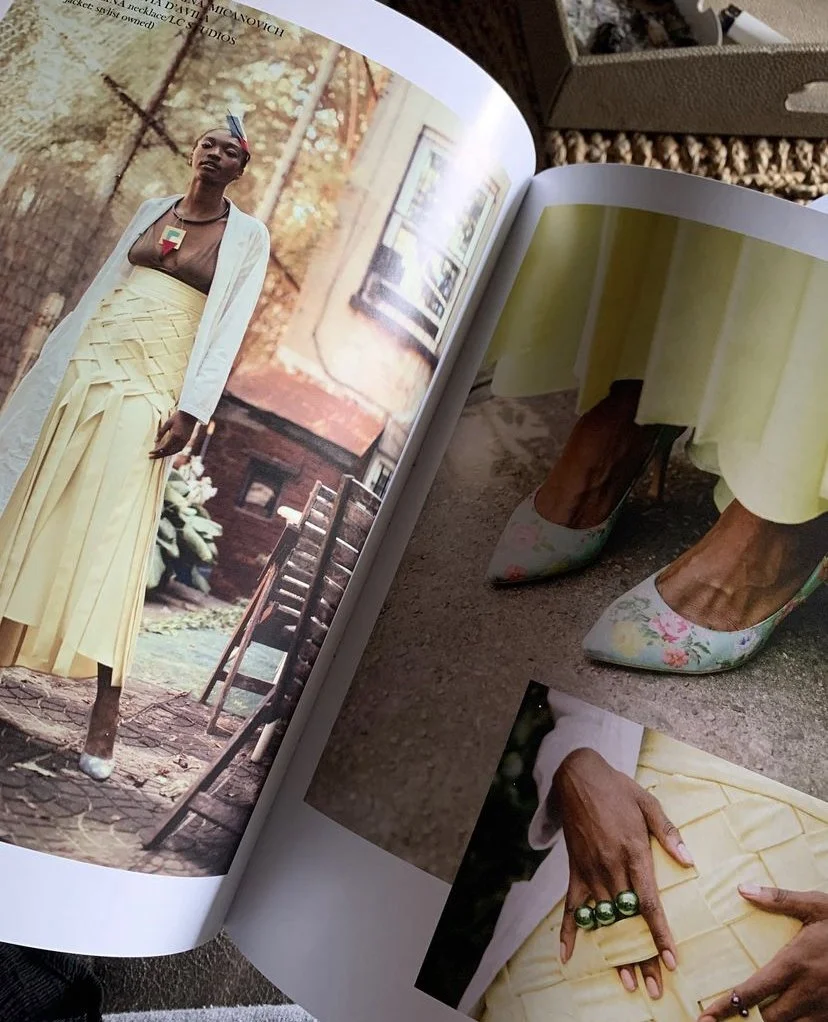
For the next two years, I created journalistic content along with contributing writers to a digital platform (my digital platform) while simultaneously releasing magazines in print on a quarterly basis. During this time, Luxy Haus Magazine was invited to shows for Romeo Hunte and Harlem’s Fashion Week, invited to conduct a press interview with international designer Nandi Madida, and received media pitches from Black-owned independent brands interested in fashion features. The work I did with the magazine continued my mission of creating a progressive, revolutionary space highlighting the underrepresented, raising awareness of the misrepresented, and advocating for the exploited. So, why would I stop? Well, the peak of the COVID-19 pandemic changed everything for me. The work I did, the magic I was creating, involved human interaction. It was as if life took a knife to my artistic journey’s hot air balloon and deflated it. Then, the killing of George Floyd happened, and the uphill of protests began. I was paralyzed, I was numbed by the history of police brutality continuously repeating itself, and I felt defeated, for I found my once self-proclaimed purpose of writing useless in an industry that viewed Black pain as a trend analysis.
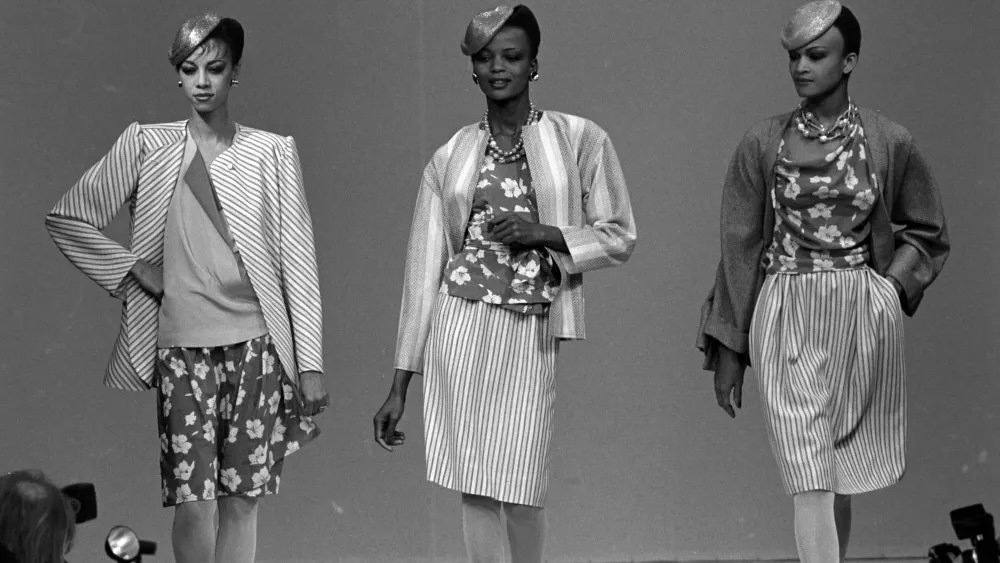
Sandi Bass, Rebecca Ayoko and Melissa Doucoure on the runway of the Emanuel Ungaro spring 1983 fashion show, courtesy of WWD
Sociopolitical discourse in the industry is more than just a column or genre to include on a media page; there is a significant history of Black influence on the fashion and beauty industry starting all the way back to the 1960s and setting the tone for the 1970s with the Black is Beautiful movement. Organizations like the National Negro Retail Advisory Board and the Southern Christian Leadership Conference set the stage to advocate for Black voices and inclusive hiring practices in retail. From protests demanding retailers in Birmingham to take down discriminatory signage to featuring dark-pigmented mannequins in shops off 125th Street in Harlem to more Black runway models entering the industry, the politics and Black cultural influence of fashion are embedded in the history of American fashion, and it should be honored with veteran status. The plight of Black struggle is more than a trend forecast. It is something to be acknowledged, to be represented, and to incite true change that is here to stay. Black outrage should not be viewed as a business opportunity; it is not a trend influence to include in marketing strategies for fashion campaigns, just for inclusivity to be abandoned by major retailers like Target at the height of Donald Trump’s second presidency.
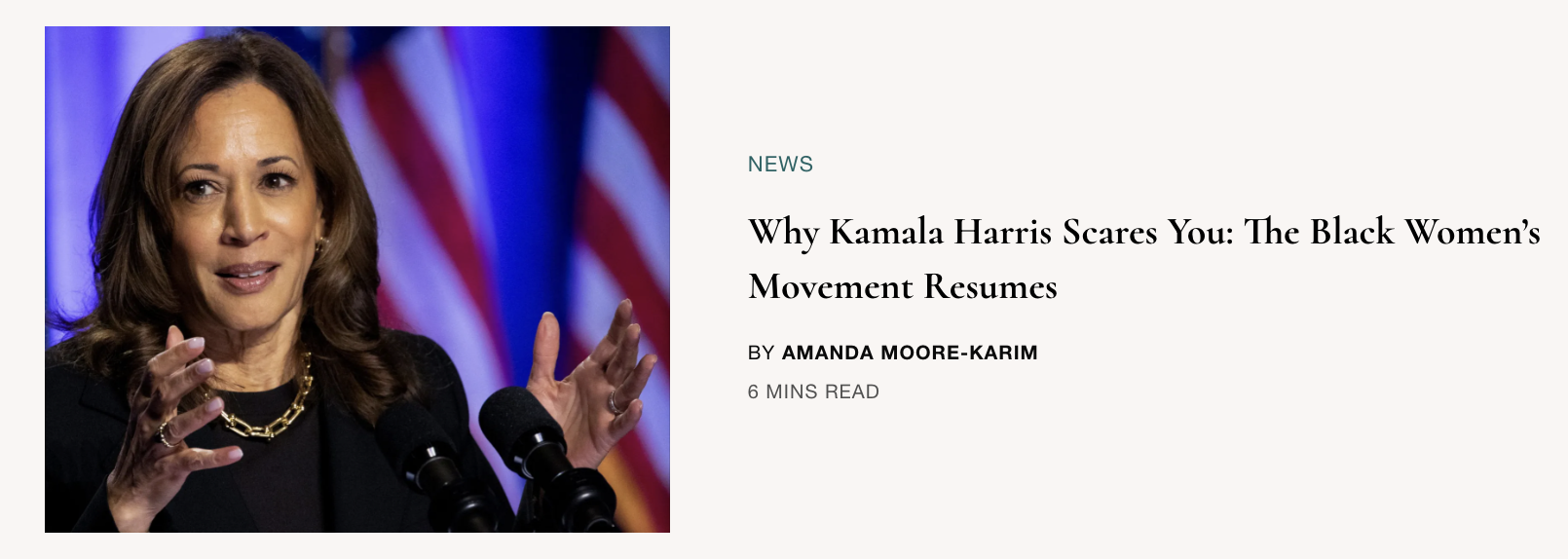
My most recent attempt to enter journalism was writing an article for GROWN Magazine with a social and cultural perspective on Kamala Harris’ presidential campaign. While I was grateful for the feature, I recall the timing of the article’s publication seemed to be too late for people to fully digest prior to the election. Trump’s victory in getting back into the White House was a different type of rage. It felt like a non-Black person touching my hair without consent or a group of White fraternity boys making monkey gestures and noises in my direction. I felt taunted and submissive; I felt powerless over witnessing the administration rolling out initiatives intended to set us back as a society. So, I thought about how I can, as an artist, feel like I’m doing something to fight back. Because, despite my abandonment, it was inevitable I would never escape the consumption of corrupted media, how capitalism swallowed it into soullessness, and how white nationalism was making a comeback. The divisiveness between Black men and Black women would continue, Black diasporic wars would resurface, and white nationalists and klansmen would infiltrate major social media platforms, creating a fellowship of bigotry and violence in the guise of freedom of speech. Media platforms would continue to rage-bait Black folks with highlights of (initially) including Tracee Ellis Ross’ Afro in a cloud bob hair profile, discrediting the fact that hairstylist “Frenchie” Casimir introduced the Afro to the industry. Despite my abandonment, I would never escape the realities of capitalism, racism, homophobia, transphobia, misogyny, patriarchy, or corrupted politics. Black viewers would still get exploited, capitalism would still stifle marginalized communities, and white supremacy would still prevail. So, yes, I got bored with the performance of fashion journalism and media at large. With the viewing of The Devil Wears Prada II reigniting the flame, I am now bored with standing on the sidelines and witnessing the industry die under the imperialism of whiteness, capitalism, and patriarchy. Granting myself the luxury to feel my way through the grief, I developed the courage to launch this digital magazine, The Fashion Closet. With this platform, I intend to contribute to the online rhetoric with a radical and unconventional perspective on the intersections of artificial intelligence, social politics, fashion, and beauty with this being the introduction of a new era as I find my way back.
*Reference: Black In Fashion: 100 Years of Style, Influence & Culture, Tonya Blazio-Licorish & Tara Donaldson, 2024, Page #82-288